Define the decision before buying a dozen
A golf-ball comparison is easier to use when it starts with a question. Perhaps you want a ball whose putting feel you prefer, a clearly visible color or an option you are comfortable replacing regularly. Write down that need and a budget, then choose a small shortlist. A description such as soft tells you how a brand positions a product; it does not establish which one you will prefer.
Manufacturer fitting resources, including Titleist’s, discuss ball flight, spin and feel as separate comparison factors. Use those as headings for questions, not as outcomes you assume from the packaging. You can read the listed construction and available options before testing, then keep your own observations separate from those manufacturer specifications.
Start with shots you can compare
At a suitable practice area, compare putting and short shots from the same position. Use balls in similar condition and change one factor at a time. For putting, describe the sound and feel you notice and where the ball stops. For a short shot, observe the first bounce and final position. Keep the target, club and intended shot consistent within the group.
Do not turn one unusually good or poor strike into a verdict about the ball. Contact and conditions can differ between attempts. A useful note might say that you preferred one ball’s sound on the putting green, while the stopping results were hard to distinguish. An honest unresolved comparison is more useful than a claim the exercise cannot support.
Compare longer shots only where it makes sense
Use a facility or fitting session that permits the balls you are comparing. Standard range balls are not substitutes for a side-by-side test of two retail models. If you have measured results, label carry and total distance clearly and note the club and conditions. Avoid estimating small performance differences by eye across a windy range.
On the course, record observations without disrupting play or playing extra balls where it is not permitted. Different lies, wind and landing slopes limit direct comparison. Do not assume a longer finish came entirely from the ball. If the decision depends on launch or spin numbers you cannot observe reliably, a proper ball fitting can help answer that specific question.
Keep performance and practical preferences together
A ball you can identify easily and use consistently may fit your routine better than a model chosen only for a headline feature. Check the exact model name and version when you replenish it. Personalization, color and alignment markings are preferences worth recording, but they do not by themselves prove a scoring benefit.
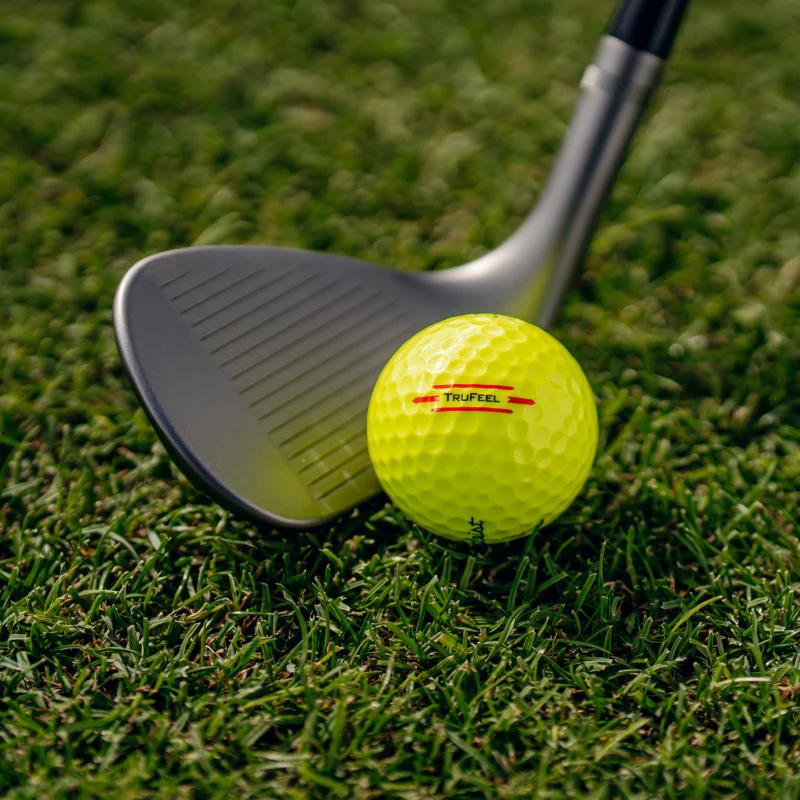
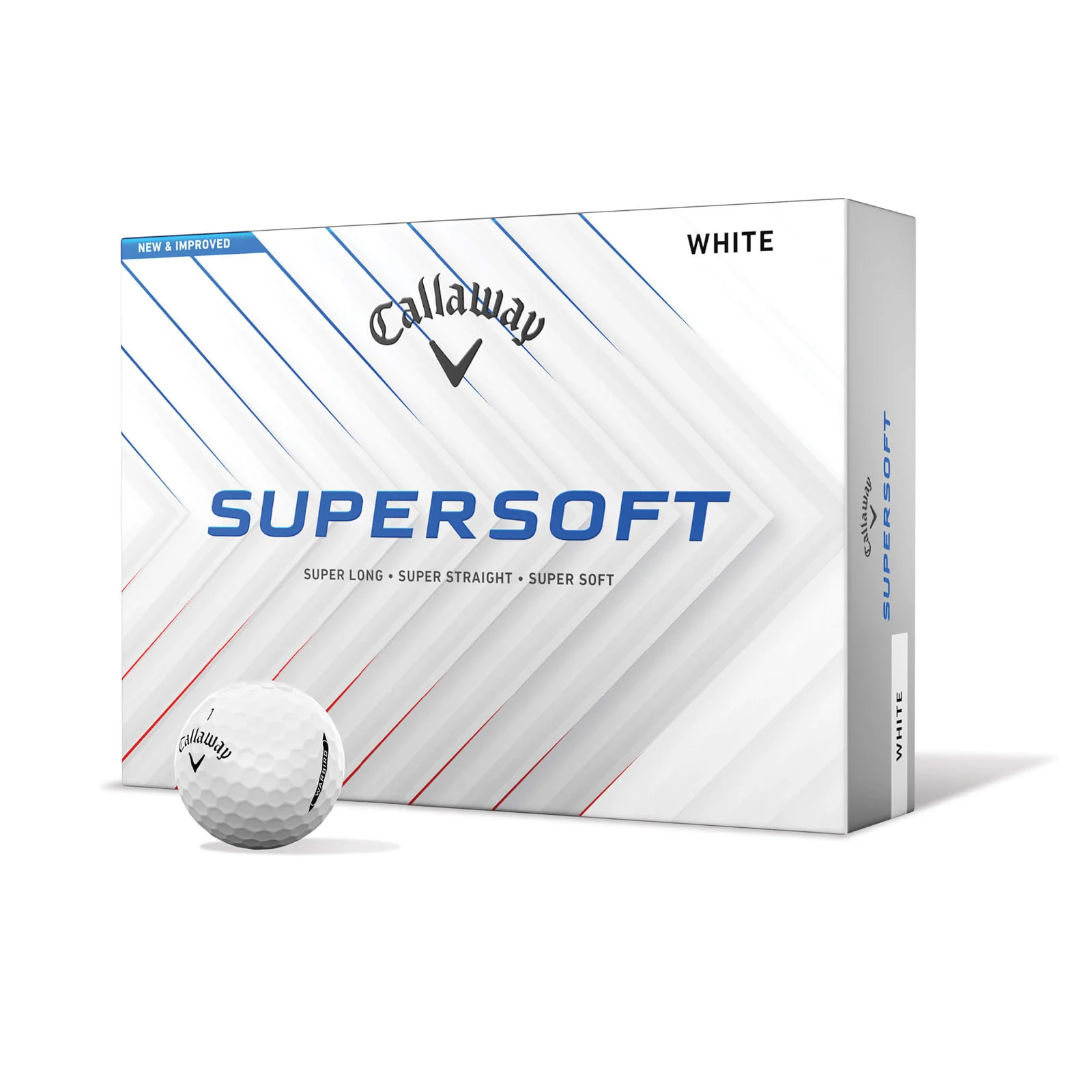
For our two starting profiles, Titleist TruFeel and Callaway Supersoft, the official product pages explain their current constructions and options. These are examples to help you learn how to read a product listing, not a ranked list or a claim that either suits every beginner. We have not performed comparative ball testing.
Choose, then give the choice a fair run
Summarize your notes in three lines: the features you checked, the observations you could repeat and the practical reason for the choice. Keep using the selected model long enough to avoid changing equipment and practice tasks at the same time. Revisit the decision when your needs change or a fitting gives you new information, rather than switching after every disappointing shot.