Start with the shot, not the catalogue
Before comparing a new club, describe the gap you want to investigate. You might need a manageable option from the tee, a club for a common approach distance or a short-game option that suits the shots you have learned. A clear job gives a fitting or demo a purpose. “Newer” does not tell you whether a club solves that job.
Write down what you currently carry and where you use each club. Note distances as observations or estimates, including the conditions in which you learned them. A memorable best shot should not become your assumed everyday carry. If the gap depends on reliable measurement, bring that question to a coach or fitter with suitable equipment.
You can begin with fewer clubs
The Rules of Golf allow a maximum of 14 clubs; they do not require every player to carry 14. A smaller set may be a practical starting point while you learn which shots and distances need another option. Count your clubs before a round, especially after a practice session or a club demo leaves an extra one in the bag.
Avoid treating the number stamped on an iron as a complete specification. Compare the manufacturer’s listed loft, length and available configurations for the models you are considering. Those details help explain the product, but a specification table alone cannot establish how far you will hit it or which shaft will suit your swing.
Bring a brief to the fitting
PGA fitting guidance emphasizes that the player’s current game and experience matter. Tell the fitter how often you play, what instruction you are taking and which shots prompt the purchase. Bring your current equipment if the facility asks for it, along with a budget and any practical preferences. Ask how the session will compare candidates and what information you will receive afterward.
Ask questions in terms you can use: what changed compared with my current club, how consistent were the results, and what happens on less centered contact? Clarify whether a result is carry or total distance. You do not need to choose a configuration based on a label such as regular or stiff without understanding the actual options being tested.
Compare the complete configuration
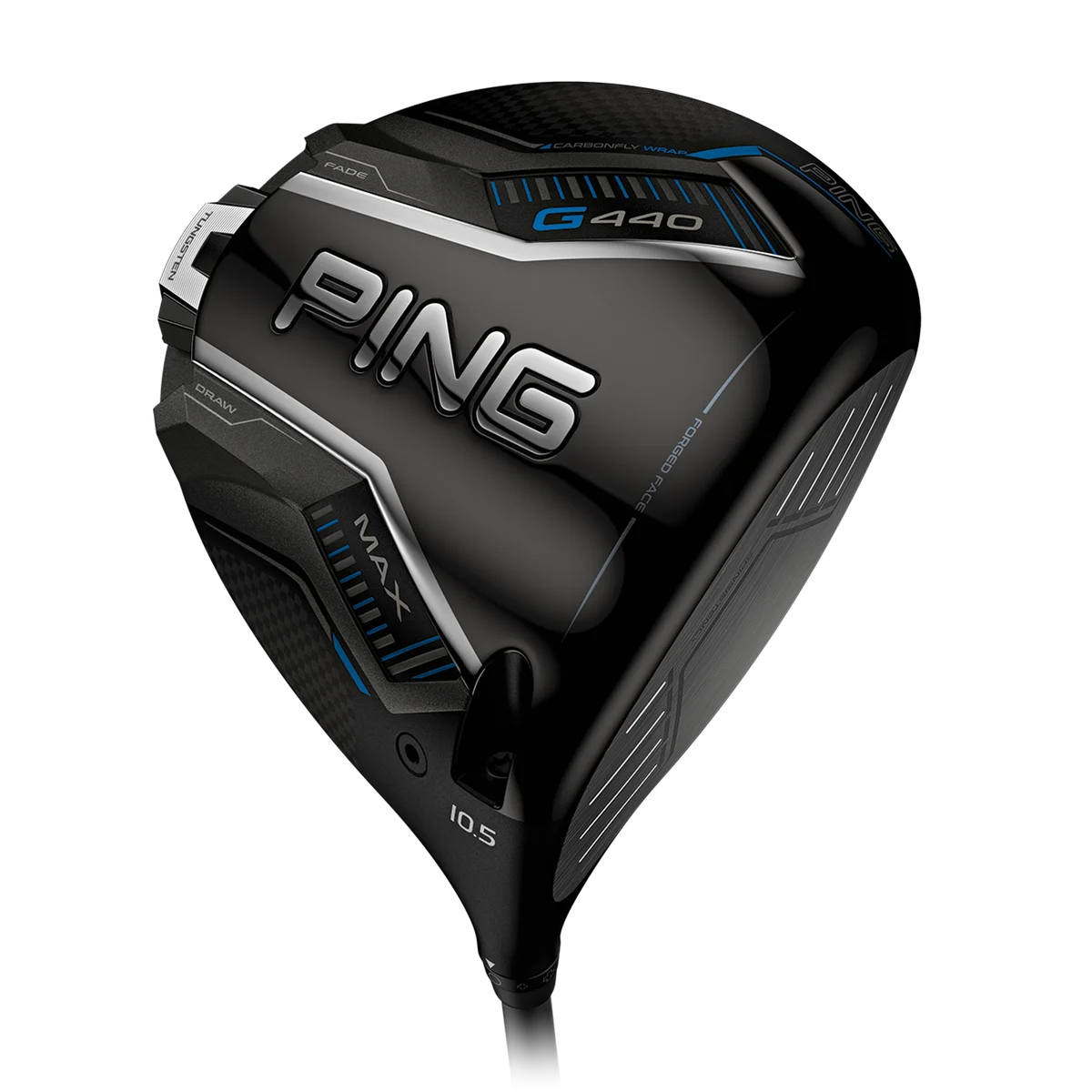
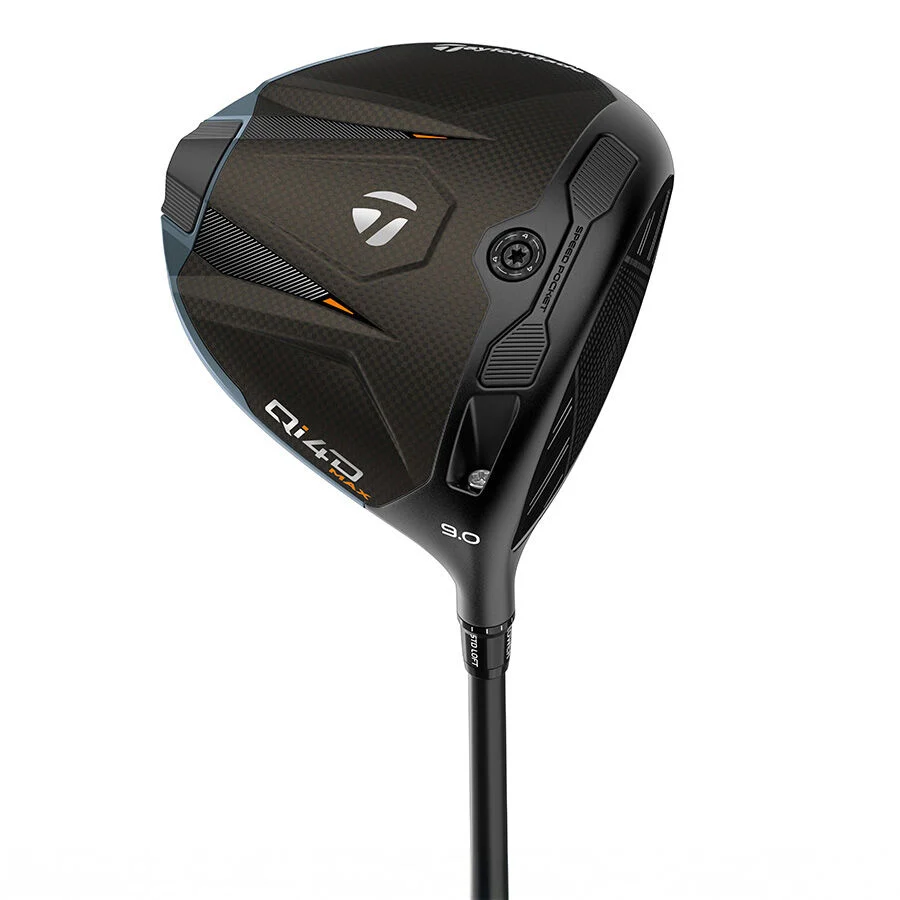
A driver name covers more than a head. Loft setting, shaft, length and grip can vary between the clubs in front of you. Write down the full configuration of the option you tried. If you later order online, check that the selection matches the fitting recommendation rather than choosing a familiar product photograph and assuming the rest is identical.
For adjustable equipment, ask the fitter to explain the recommended setting and the manufacturer’s adjustment instructions. Do not use a specification such as head volume or a branded forgiveness claim as a promise about your own dispersion. Our equipment profiles provide a factual introduction and the official brand link, so you can check those details at the source.
Make the purchase decision after the comparison
Record the candidate, tested configuration, price quoted by the seller and any unanswered question. Check that seller’s current delivery, return and custom-order terms before payment. A fitting recommendation and a retail policy are different pieces of information. If the comparison did not resolve the job you started with, keep the notes and ask what further information would make the decision clearer.